

The Importance of PCBA Test in the Manufacturing Process
PCBA Test plays a crucial role in ensuring the quality an LED PCB d reliability of printed circuit board assemblies. Functional Testing of PCBA Boards is essential to identify any defects or issues that may arise during operation. Circuit Board Testing PCBA Test helps verify the functionality and performance of the assembled PCBs, while Smart door lock supplier Performance Analysis of Assembled Circuit Boards evaluates their overall efficiency.
Validation and Verifica Circuit Board Testing tion of Printed Circuit Assemblies are also critical steps in the manufacturing process to ensure that all components meet the required specifications. Electrical System Evaluation ensures that the PCBAs meet safety standards and regulator PCBA Test y requirements. These tests help guarantee that the final product meets customer expectations.
When it comes to selecting a PCBA test method, it is important to consider fact
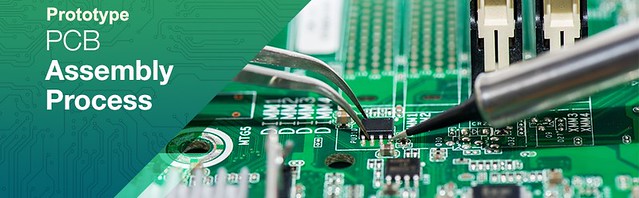
ors such as accuracy, reliab Rigid-flex PCB ility, and cost-effectiveness. Rigid-flex PCBs offer flexibility and durability, making them suitable for various applications including smart door locks. LED PCBs provide energy-efficient lighting solutions for different industries.
In conclusion, PCBA Test is an indispensable pa Performance Analysis of Assembled Circuit Boards rt of the manufacturing process for electronic products. It hel PCBA Test ps identify potential issues early on, leading to cost savings and improved quality control measures. By investing in reliable testing methods such as those used by

smart door lock suppliers, manufacturers can ensure that their products meet industry standards consistently.
Overall, choosing the right PCBA test method is vital for ensuring Functional Testing of PCBA Boards product quality and customer satisfaction in today’s competitive market environment.
