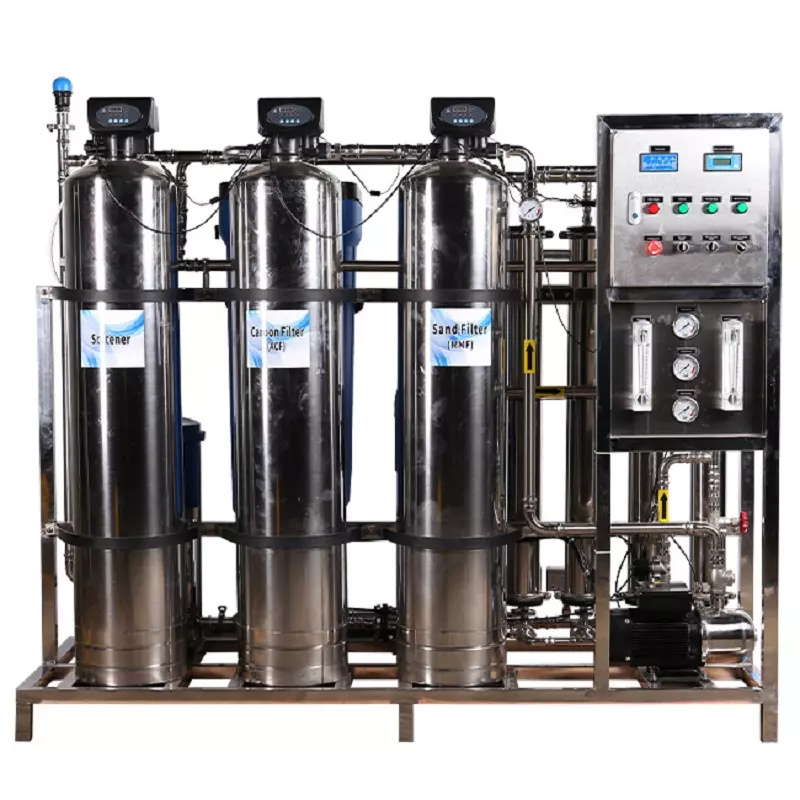
A reverse osmosis system or RO system is used for the purification of the water at several places like industries, schools, hospitals, commercial and residential places, etc. Purified water is considered as an important ingredient in the production of pharmaceutical products, food and beverages items, and more.
Depending upon the needs, the RO water system is designed. Massive stainless steel water purification systems are used in industries for obtaining purified water in bulk quantities. Industries require a large water system for the purification of water in bulk quantities. i.e. 1000 liters per hour. Similarly, different types of filters and additional parts are used in massive water systems for proper purification of the water.
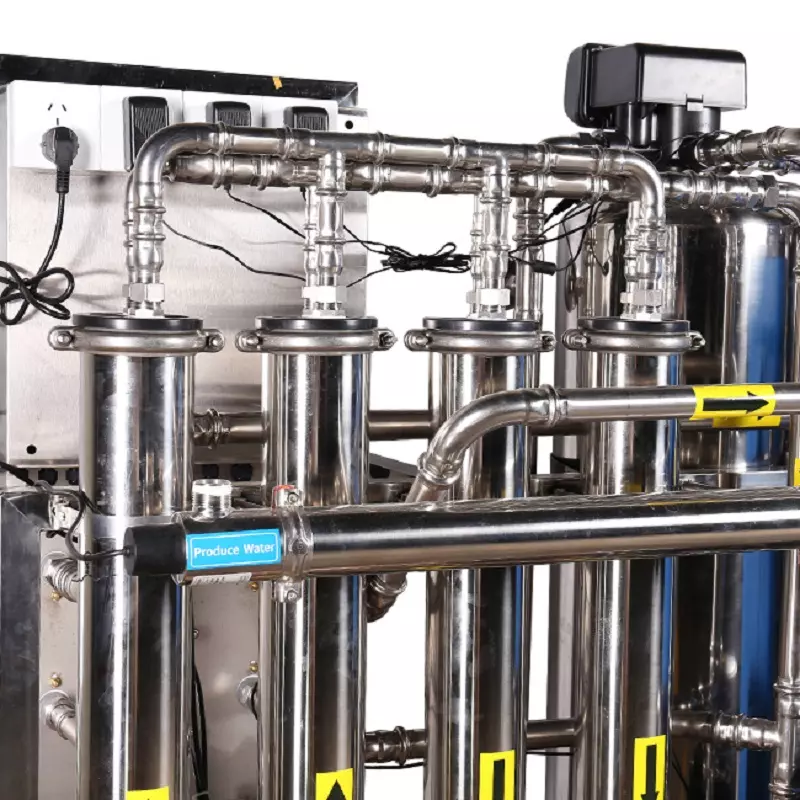
In this article, we will discuss some crucial parts of the purification machine and the role of filters in the purification of water. Some of the important parts of the industrial RO system are given below:
- Various types of filters (sand, manganese, carbon)
- Automatic valve
- Flow meter
- Pressure gauge
- RO controller
- Water conductivity meter
- High pressure pump, etc.
Role of filers: